
How Experts Track Tigers in Tadoba: Pugmarks, Alarm Calls & Jungle Signs

A tiger safari in Tadoba is not simply a drive through the forest hoping for a glimpse of orange and black. Before a tiger appears, an experienced guide may already be reading the forest for clues: a fresh pugmark in the dust, a sambar staring into the bamboo, langurs suddenly becoming restless, or fresh scratches on a tree.
This is the art of tiger tracking in Tadoba. Trackers combine several small signals to understand where wildlife has moved, what may be nearby, and where it is worth watching.
For visitors planning a Tadoba safari, understanding these signs can make every jungle drive more fascinating even when a tiger remains hidden.
How Experts Track Tigers in Tadoba
Tiger tracking relies on a combination of physical evidence, animal behaviour and knowledge of the landscape. No single clue can reliably predict a tiger sighting.
A guide may look at tiger pugmarks, listen for alarm calls, examine tree scratches and scent-marking, watch prey species, and consider recent animal movement around roads, trails and water sources.
The important skill is connecting these clues.
A fresh pugmark becomes more interesting when it points in the same direction as repeated deer alarm calls. A scratch mark becomes more meaningful when combined with other recent signs. Experienced trackers are constantly building this picture while the safari vehicle moves through the forest.
Reading Tiger Pugmarks in Tadoba
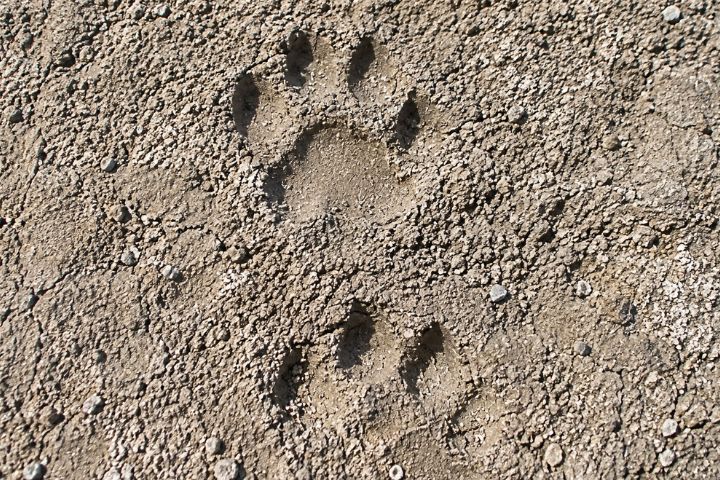
Pugmarks are among the most visible signs of tiger movement. A tiger’s footprint can reveal that an animal has passed along a track, although determining exactly when it passed requires experience and environmental context.
Trackers examine the shape and clarity of the print, the condition of the surrounding soil and whether there are multiple footprints showing a direction of travel.
Soft mud may preserve a detailed impression, while dry or rocky ground can make footprints difficult to interpret. A partially visible pawprint therefore needs to be considered carefully rather than treated as definitive evidence of a nearby tiger.
During a Tadoba jungle safari, your guide may stop briefly to examine tracks that most visitors would simply drive past.
Tiger Communication Tracking: Deciphering Tiger Calls
Tigers communicate through a range of vocalisations, scent marking, and body language. While visitors may not hear a tiger calling during every safari, understanding tiger communication helps explain how guides interpret the forest.
A tiger may vocalise during territorial or social interactions, while scent marking and scraping can communicate information to other tigers.
Trackers also listen closely to the animals that live around the tiger.
Sambar, Chital, and Langur Alarm Calls
A sudden sambar alarm call can change the atmosphere of a safari immediately. The deer may freeze, stare in a particular direction, and repeatedly vocalize after detecting a potential predator.
Chital and langurs can also provide valuable warnings.
However, an alarm call does not automatically mean a tiger is present. Leopards, dholes, other predators, or disturbances can trigger similar reactions. The guide considers the direction, intensity, repetition, and behaviour of the animal before interpreting the signal.
This is why knowing which animal is calling and how it is behaving matters as much as hearing the call itself.
Tree Scratches: Clues Left Behind by Tigers
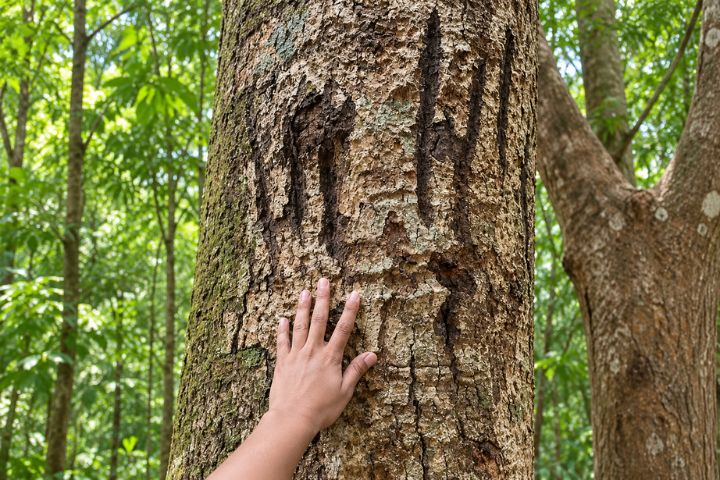
Look closely at trees along forest routes and you may find another form of tiger evidence: scratches and markings.
Tigers can scratch the ground or trees as part of territorial and communication behaviour. Such marks may be accompanied by scent marking.
A tracker doesn’t necessarily see one scratch and declare that a tiger has just passed. Instead, the condition, location, and presence of other signs can contribute to an overall understanding of tiger activity in an area.
For safari visitors, these marks offer a fascinating reminder that a tiger can be using the landscape even when it is completely out of sight.
Combining Pugmarks and Alarm Calls
The real expertise lies in combining clues.
Imagine a guide notices a relatively fresh pugmark on a forest road. A little farther ahead, a sambar repeatedly looks toward the bamboo and gives an alarm call.
Neither clue guarantees a tiger.
Together, however, they may justify slowing down, switching off the engine and watching the surrounding vegetation carefully. The guide may then look for additional movement, fresh tracks or another alarm call.
This process—sign → interpretation → observation is at the heart of professional tiger tracking.
It also explains why a knowledgeable naturalist can make a safari rewarding even without a dramatic sighting.
Other Jungle Signs Trackers Look For
Tiger tracking extends well beyond footprints and alarm calls. Guides may notice scat, scent marks, scratch marks, disturbed vegetation, and repeated animal movement.
Water sources are also important parts of the landscape. During warmer periods, wildlife behaviour around water and shaded areas can provide useful context, although animal movements are never predictable enough to guarantee a sighting.
Prey behaviour is particularly valuable. When several species suddenly become alert, an experienced guide pays attention to what has changed rather than simply looking for a tiger immediately.
How Tiger Tracking Changes Across a Tadoba Safari
Every safari presents different conditions. Temperature, recent weather, animal movement and time of day can influence what trackers encounter.
| Safari situation | What trackers may focus on | What visitors may experience |
| Early morning | Fresh tracks, movement, and alarm calls | Cooler conditions and active wildlife |
| Warmer hours | Shade, water, and resting behaviour | Different patterns of animal activity |
| Late afternoon | Movement, trails, and alarm calls | Increasing wildlife activity |
This is one reason multiple Tadoba safari drives can provide a richer experience than trying to predict everything from one outing.
How Many Days Should You Plan for Tadoba Tiger Tracking?
A 1-day Tadoba safari suits travelers with limited time, but it provides only a small window into the reserve.
With 2–3 days, visitors can experience multiple safari drives and potentially explore different areas or safari options depending on current availability and forest rules. Changing conditions can reveal a very different side of Tadoba from one drive to another.
For serious wildlife enthusiasts and photographers, 4 or more days provide more opportunities to observe the forest, understand recurring animal behaviour and experience different conditions.
More safari drives mean more opportunities, not a guarantee of a tiger sighting.
Why an Experienced Tadoba Safari Guide Matters
The value of an experienced guide is not simply knowing where a tiger was seen yesterday.
It is understanding why a particular track matters, recognising the difference between ordinary animal movement and a significant alarm call, and knowing when several small clues deserve closer attention.
That perspective can transform a jungle safari in Maharashtra from a sightseeing trip into an introduction to the language of the forest.
If you want to experience Tadoba with this approach, Jungle Bucket List can help you plan a Tadoba safari focused not only on tiger sightings but also on understanding the wildlife and landscape around them.
Explore Tadoba safari experiences with the Jungle Bucket List.
FAQs
How do guides track tigers in Tadoba?
Guides combine pugmarks, alarm calls, scent marks, tree scratches, prey behaviour, habitat and other signs. No single clue can guarantee that a tiger is nearby.
Can tiger pugmarks tell you where a tiger is going?
A sequence of footprints can indicate a direction of movement, but it does not reliably predict where the tiger will be at a particular time.
Which animals give alarm calls in Tadoba?
Sambar, chital and langurs are among the animals whose alarm behaviour can provide useful clues. Birds and other wildlife can also react to predators or disturbances.
How many safaris should I take in Tadoba?
If your schedule permits, 2–3 days with multiple safari drives can provide more opportunities to experience different conditions than a single drive. Serious wildlife enthusiasts may prefer a longer stay.
Does tiger tracking guarantee a sighting?
No. Tiger tracking helps guides interpret signs and make informed decisions, but wild animals move freely and a tiger sighting can never be guaranteed.
A successful Tadoba tiger safari is therefore not measured only by whether a tiger crosses the road. Sometimes the most memorable moment begins with a footprint, a distant alarm call or a scratch on a tree and the realisation that a tiger has passed through the forest without you ever seeing it.