
Importance of Tadoba Tourism: 10 Reasons Every Wildlife Lover Should Visit


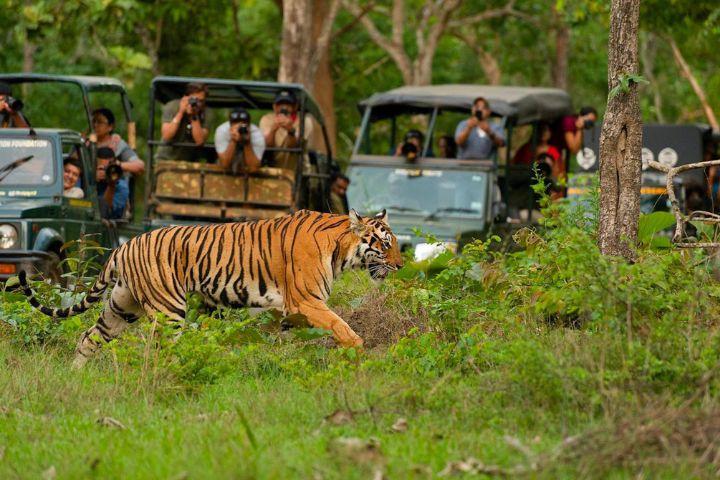
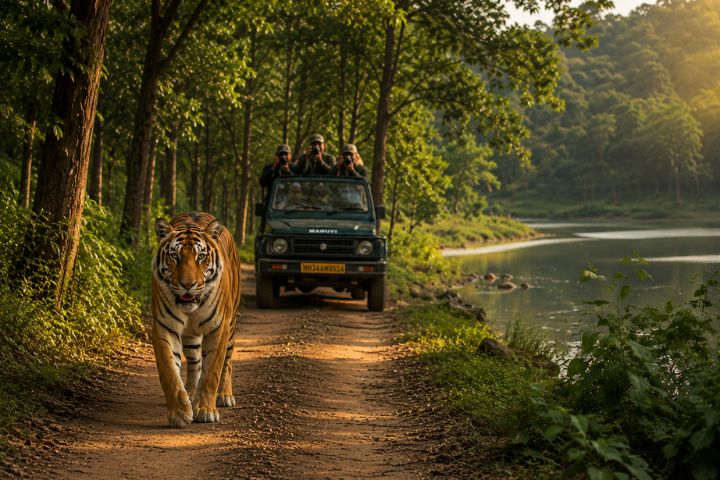
Tadoba National Park Tourism is important because it does far more than offer thrilling tiger sightings. Responsible tourism supports wildlife conservation, creates sustainable livelihoods for local communities, strengthens forest protection, and helps preserve one of India’s richest ecosystems. Every safari contributes to a larger conservation effort that benefits tigers, forests, and the people who live alongside them.
Located in Maharashtra, the Tadoba-Andhari Tiger Reserve has become one of India’s most rewarding wildlife destinations. While many visitors arrive hoping to see the majestic Bengal tiger, they often leave with a much deeper appreciation for the forest, its incredible biodiversity, and the people who work tirelessly to protect it.
At Jungle Bucket List, we believe wildlife tourism is most meaningful when it creates lasting value for both nature and local communities. Tadoba is a remarkable example of how responsible tourism can support conservation while offering unforgettable experiences for travelers.
What Makes Tadoba Tourism Special?
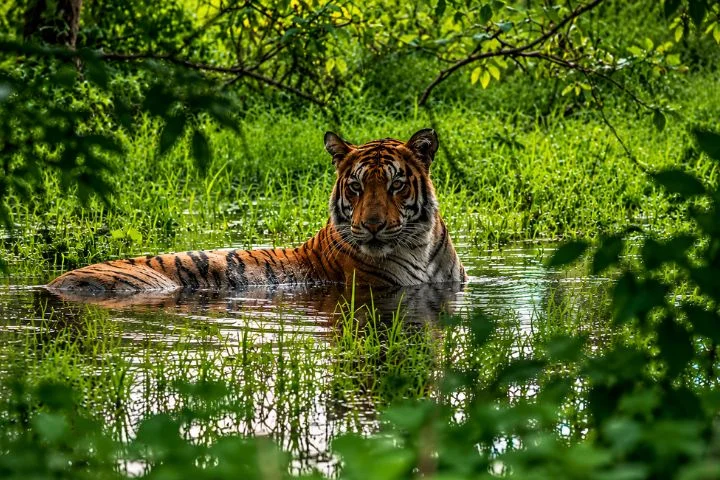
Tadoba National Park is one of India’s oldest and most respected tiger reserves, known for its healthy tiger population, diverse landscapes, and consistently rewarding safari experiences. Dense teak forests, bamboo groves, open meadows, and scenic water bodies create an ideal habitat for a wide variety of wildlife.
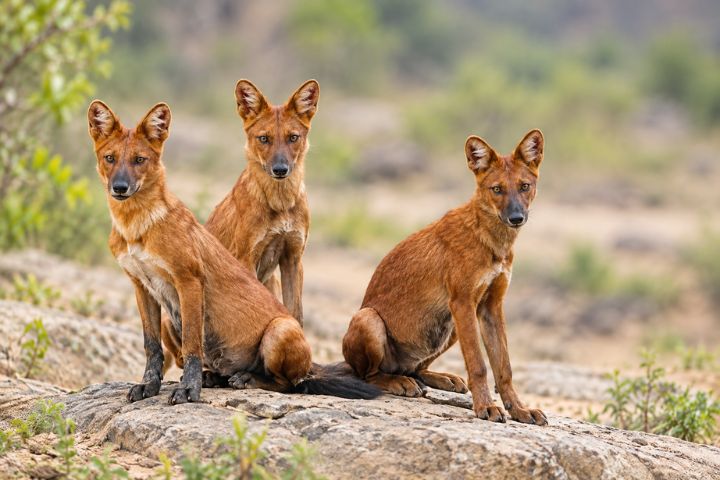
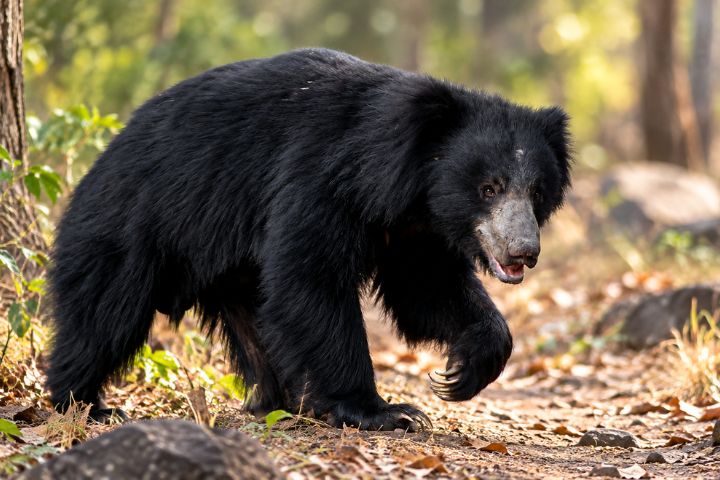
Unlike destinations that focus only on tiger sightings, Tadoba offers a complete wildlife experience. Visitors often encounter leopards, sloth bears, gaur, wild dogs, spotted deer, peacocks, eagles, reptiles, butterflies, and countless bird species during a single safari. Every drive into the forest offers something different, making each visit unique.
Beyond its wildlife, Tadoba stands out because tourism directly contributes to protecting the reserve and improving the lives of nearby communities.
10 Reasons Why Tadoba National Park Tourism Is Important
1. Tourism Supports Tiger Conservation
Tourism generates revenue that helps strengthen conservation efforts across the reserve. Funds contribute to habitat management, wildlife monitoring, anti-poaching initiatives, and maintaining essential infrastructure that supports both visitors and wildlife.
When managed responsibly, every safari becomes part of a larger effort to protect one of India’s most iconic species.
2. Conservation Has Helped Tiger Numbers Recover
Tadoba has witnessed remarkable conservation success over the years. Continuous habitat protection, stricter wildlife laws, scientific monitoring, and sustained conservation efforts have allowed the tiger population to grow significantly compared to previous decades. This recovery highlights what long-term conservation and responsible tourism can achieve together.
3. Tourism Creates Sustainable Livelihoods
One of the greatest benefits of Tadoba Tourism is the positive impact on nearby villages.
Many local residents now earn their livelihoods as safari guides, jeep drivers, naturalists, resort staff, homestay owners, restaurant operators, and small business owners. Tourism has created opportunities that encourage people to value wildlife as an important part of the local economy.
As visitor numbers have grown, so have employment opportunities, allowing many families to build stable incomes while remaining closely connected to the forests they call home.
4. Local Communities Play a Bigger Role in Protecting Wildlife
Wildlife conservation is strongest when local communities benefit from it.
Over the years, many people living around Tadoba have become active participants in protecting forests and wildlife because healthy ecosystems support tourism and local livelihoods. This shared responsibility has helped create greater awareness about conserving habitats for future generations.
5. Tourism Encourages Better Forest Management
A thriving tourism industry also encourages better management of the reserve. Forest authorities regularly maintain safari routes, monitor wildlife movements, restore water sources, and improve habitat conditions to support a healthy ecosystem. These efforts benefit not only tigers but every species that depends on the forest.
6. Tadoba Is Home to Incredible Wildlife
Although tigers are the biggest attraction, Tadoba offers much more. Visitors may spot leopards resting on tree branches, sloth bears searching for food, Indian gaur grazing in open meadows, spotted deer moving through the forest, peacocks displaying their feathers, eagles soaring overhead, monitor lizards basking in the sun, and a remarkable variety of birds, reptiles, and butterflies.
This rich biodiversity makes every safari unique, even when a tiger remains hidden.
7. A Paradise for Wildlife Photography
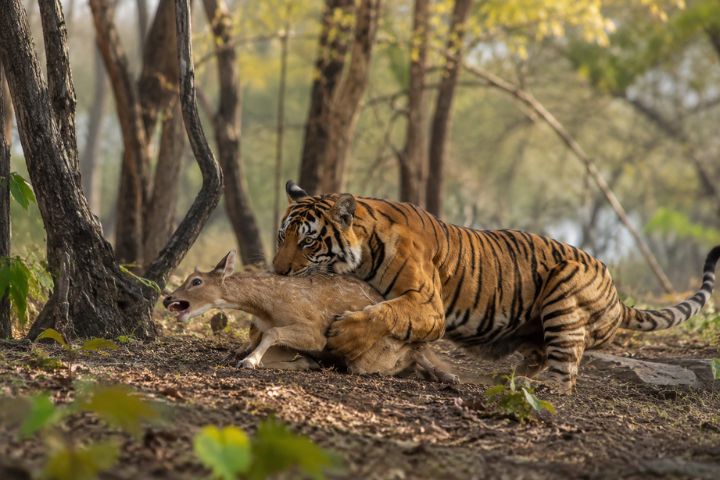
Tadoba is a favorite destination for wildlife photographers because of its diverse landscapes and frequent wildlife sightings. Early morning light filtering through the forest, dramatic predator encounters, and colorful birdlife provide endless opportunities to capture memorable moments in nature.
8. Responsible Tourism Promotes Sustainable Travel
Responsible tourism encourages visitors to respect wildlife, follow park regulations, avoid disturbing animals, and support eco-friendly businesses. Every responsible traveler helps preserve the natural beauty of Tadoba for future generations.
9. Every Visitor Becomes a Voice for Conservation
A safari often changes the way people see nature. Watching a tiger in its natural habitat or hearing the alarm calls of deer creates a lasting connection with the wild. Many visitors return home with a greater appreciation for conservation and become advocates for protecting forests and wildlife.
10. Tadoba Strengthens Maharashtra’s Tourism Economy
Tadoba has become one of Maharashtra’s leading wildlife destinations, attracting visitors from across India and around the world. This growth supports hotels, transport services, local markets, restaurants, and small businesses while creating long-term economic opportunities throughout the region.
Why Tiger Tourism Matters
Tigers are known as an umbrella species because protecting them also protects countless other plants and animals that share the same habitat. Healthy tiger populations are a sign of healthy forests, and healthy forests play an important role in preserving biodiversity, storing carbon, protecting water resources, and supporting nearby communities.
When wildlife tourism is managed responsibly, it provides financial support for conservation while inspiring people to value and protect these ecosystems. Tadoba is a strong example of how tourism and conservation can work together for the benefit of both wildlife and people.
Wildlife You Can See in Tadoba
Every safari in Tadoba offers the possibility of discovering something remarkable. While the Bengal tiger remains the star attraction, the reserve is equally famous for its elusive leopards, playful langurs, majestic gaur, sloth bears, wild dogs, spotted deer, sambar, wild boar, marsh crocodiles, monitor lizards, peacocks, eagles, owls, kingfishers, butterflies, and many other fascinating species. This extraordinary diversity ensures that no two safaris are ever the same.
Responsible Tourism Tips
- Follow your guide’s instructions throughout the safari.
- Maintain a safe distance from wildlife and never feed animals.
- Avoid littering or creating unnecessary noise inside the forest.
- Support local guides, accommodations, and businesses whenever possible.
- Respect the forest by leaving it exactly as you found it.
Did You Know?
- Tadoba-Andhari Tiger Reserve is Maharashtra’s oldest and largest national park and tiger reserve.
- The reserve is named after the local tribal deity, Taru, often associated with the name “Tadoba.”
- Tigers are apex predators, helping maintain the balance of the entire ecosystem.
- Tadoba is home to hundreds of species of birds, mammals, reptiles, and insects.
- Responsible tourism helps generate employment while supporting long-term wildlife conservation.
A Note from Jungle Bucket List
The importance of Tadoba Tourism extends far beyond unforgettable safari experiences. It represents a successful balance between conservation, community development, and sustainable travel. As more people choose responsible wildlife tourism, they contribute to protecting tigers, preserving forests, and supporting the families who depend on these landscapes.
At Jungle Bucket List, we believe every journey into the wild should leave a positive impact. Whether you’re hoping to witness a majestic tiger, photograph rare wildlife, or simply reconnect with nature, Tadoba National Park offers an experience that stays with you long after the safari ends. By choosing responsible tourism, you’re not just exploring one of India’s finest tiger reserves, you’re helping secure its future for generations to come.
Frequently Asked Questions
Q1. Why is Tadoba Tourism important?
Answer: Tadoba Tourism supports wildlife conservation, generates employment for local communities, strengthens forest management, and helps protect one of India’s most important tiger habitats.
Q2. Why is Tadoba famous?
Answer: Tadoba is renowned for its healthy tiger population, rich biodiversity, excellent safari experiences, and opportunities to spot leopards, sloth bears, birds, reptiles, and many other species.
Q3. How does tourism help local villagers?
Answer: Tourism creates jobs in guiding, hospitality, transport, safari operations, and local businesses, providing sustainable income while encouraging communities to participate in wildlife conservation.
Q4. What wildlife can be seen in Tadoba?
Answer: Visitors may encounter tigers, leopards, sloth bears, wild dogs, gaur, spotted deer, sambar, peacocks, eagles, monitor lizards, crocodiles, butterflies, and hundreds of bird species.
Q5. Why is tiger tourism important?
Answer: Responsible tiger tourism helps fund conservation efforts, protects critical habitats, supports local livelihoods, and raises awareness about the importance of preserving forests and biodiversity.