
The Tiger God of Central India? The Story of Waghoba Explained


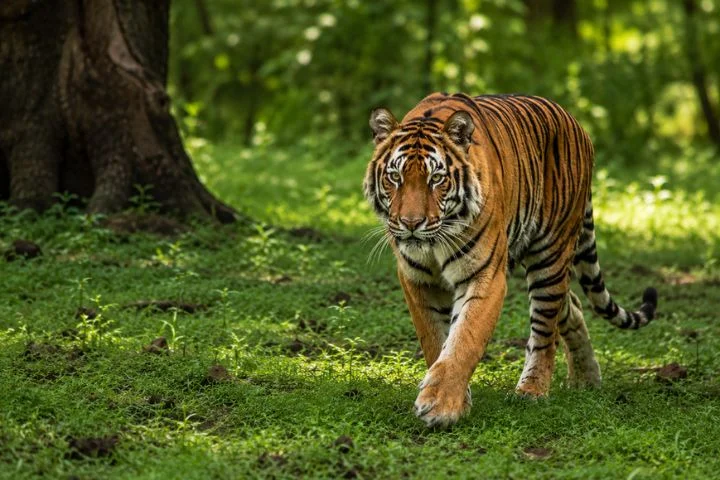
In the forests of Maharashtra, particularly around Chandrapur and the Tadoba-Andhari Tiger Reserve, local communities have long revered a deity known as Waghoba, often called The Tiger God of Central India.
Waghoba is not merely a religious figure. For many forest-dwelling communities, he represents a centuries-old relationship between humans and tigers. Through rituals, shrines, and oral traditions, Waghoba symbolises respect, coexistence, and the understanding that people and wildlife share the same landscape.
Today, as wildlife tourism grows in places like Tadoba, the story of Waghoba offers a fascinating glimpse into the cultural roots of tiger conservation in Central India.
Waghoba Explained: The Guardian Spirit of the Forest
Waghoba is a tiger deity worshipped in parts of Maharashtra. He represents the deep relationship between local communities, forests and big cats.
The name comes from the Marathi word ‘wagh,’ meaning ‘tiger,’ combined with ‘ba’ or ‘oba’, a respectful suffix. Together, they create the name of a revered guardian spirit often referred to as the Tiger God of Central India.
While forms of tiger worship in Maharashtra vary from region to region, Waghoba remains one of the most recognised examples. He is closely associated with rural communities living near forests and tiger habitats.
For many people, Waghoba worship is not simply about religion. It reflects a practical and emotional relationship with the natural world. The tiger is respected, feared and acknowledged as a powerful presence in the landscape. For generations, villagers have believed that honouring Waghoba helps maintain harmony between humans and tigers, reducing conflict and encouraging mutual respect.
The Roots of Tiger Worship in Maharashtra
Tiger worship in Maharashtra dates back hundreds of years and is closely linked to indigenous forest traditions.
Before modern wildlife conservation existed, local communities developed cultural systems that encouraged people to respect powerful animals. The tiger, being the apex predator of the region, naturally became a symbol of strength, protection, and spiritual significance.
In many villages across eastern Maharashtra, annual ceremonies are still performed to honour Waghoba. Offerings may include:
- Flowers
- Turmeric
- Coconuts
- Traditional prayers
These practices reflect a belief that the tiger is not an enemy but an important part of the forest ecosystem.
The Gond Community and Their Connection to Waghoba
The Gond community, one of Central India’s largest indigenous groups, has played a significant role in preserving stories and traditions associated with Waghoba.
For the Gonds and other forest-dependent communities, wildlife is deeply embedded in cultural identity. Oral histories often portray animals as guardians, messengers, or spiritual beings connected to the land.
The tiger occupies a special place in these narratives. Rather than viewing it solely as a predator, many traditional stories depict the tiger as a powerful force deserving reverence.
This cultural perspective helped shape local attitudes towards wildlife long before conservation became a global movement.
Waghoba and the Tadoba Tiger Culture
When people visit the Tadoba-Andhari Tiger Reserve, they often come hoping to spot one of India’s most famous wild tigers.
However, beyond the safari experience lies a rich Tadoba tiger culture that many visitors overlook.
Across villages surrounding the reserve, stories of Waghoba continue to influence local customs and beliefs. The presence of tiger shrines highlights how communities have historically adapted to living alongside one of the world’s most powerful predators.
This relationship is particularly significant because Tadoba has one of the highest tiger densities in India. The cultural acceptance of tigers within local traditions has contributed to a unique coexistence model that continues today.
For travellers seeking a deeper understanding of the region, exploring these cultural narratives adds an entirely new dimension to a Tadoba safari.
Why Waghoba Matters in Modern Conservation
The story of Waghoba offers an important lesson for modern conservation efforts.
Many successful wildlife conservation programmes recognise that protecting animals requires more than laws and protected areas. It also depends on local communities and their relationship with nature.
The traditions surrounding Waghoba demonstrate how cultural beliefs can support conservation by:
- Encouraging respect for wildlife
- Promoting coexistence
- Reducing fear and hostility towards predators
- Strengthening local stewardship of forests
In many ways, Waghoba represents an early form of community-based conservation that existed long before wildlife management became a formal discipline.
Local Forest Traditions That Continue Today
Despite rapid modernisation, many local forest traditions associated with Waghoba remain alive in parts of Maharashtra.
Village shrines continue to be maintained, and stories are passed down through generations. These traditions preserve not only cultural heritage but also valuable ecological knowledge about living alongside wildlife.
For visitors exploring Chandrapur and the forests of Tadoba, understanding these traditions offers a richer appreciation of the landscape and the people who call it home.
Experience the Cultural Side of Tadoba with Jungle Bucket List
At Jungle Bucket List, we believe that wildlife travel is about more than just tiger sightings.
The forests of Central India are shaped by fascinating stories, indigenous traditions, and centuries-old relationships between people and nature. Understanding the legend of Waghoba allows travellers to connect more deeply with the region’s cultural and ecological heritage.
Whether you’re planning your first safari or returning to explore Tadoba again, learning about Waghoba adds a meaningful layer to your wildlife experience.
FAQs
Q1. Who is Waghoba?
Waghoba is a tiger deity worshipped in parts of Maharashtra. Known as the Tiger God, Waghoba symbolises respect for tigers, forests and the relationship between local communities and wildlife. The tradition is particularly associated with villages near forested landscapes.
Q2. Why is Waghoba called the Tiger God of Central India?
Waghoba is called the Tiger God because he is represented in the form of a tiger and is revered as a protective spirit. The tradition developed in regions where people historically lived alongside tigers and viewed them with both respect and caution.
Q3. Is Waghoba connected to Tadoba?
Yes. Waghoba is closely connected to communities living around the Tadoba-Andhari Tiger Reserve in Maharashtra. The tradition forms part of the broader cultural landscape of Tadoba and reflects local relationships with forests and wildlife.
Q4. Which communities worship Waghoba?
Waghoba worship is found among various rural and forest-dependent communities in Maharashtra, including areas associated with the Gond community and other local groups. Practices vary by region, but the core theme of respecting the tiger remains consistent.
Q5. Can visitors see a Waghoba shrine near Tadoba?
Visitors occasionally encounter Waghoba shrines in villages surrounding the Tadoba-Andhari Tiger Reserve and other parts of Maharashtra. These sites are places of local cultural importance, so travellers should visit respectfully, seek permission where appropriate and avoid treating them as tourist attractions.
Q6. Are Waghoba shrines found near tiger habitats?
Yes. Waghoba shrines are commonly found in villages, grazing areas and forest-edge settlements close to tiger habitats. They are particularly associated with regions of Maharashtra where people have long lived alongside large carnivores, including landscapes around Chandrapur and Tadoba-Andhari Tiger Reserve.